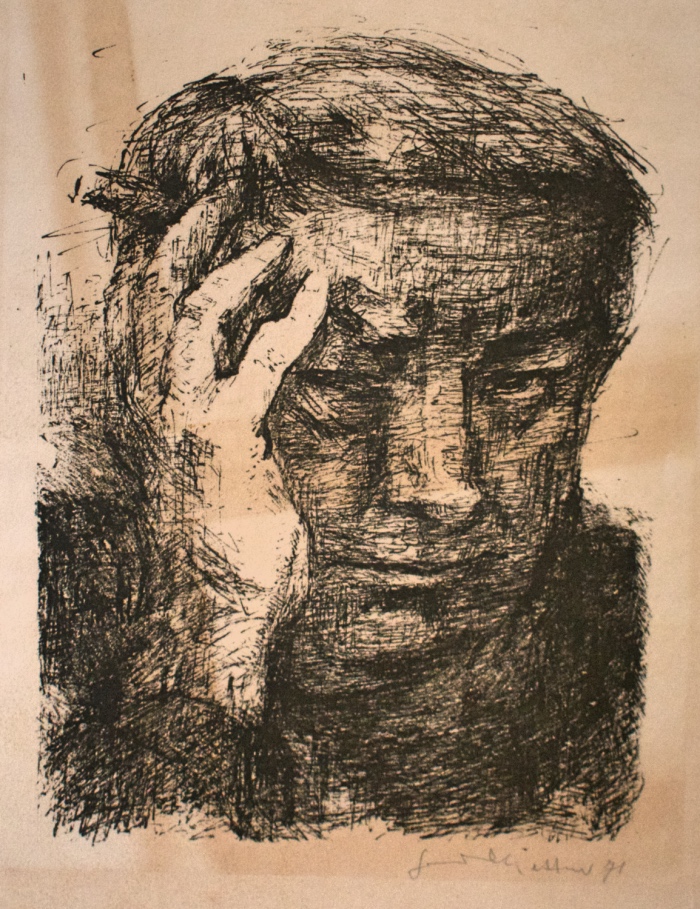
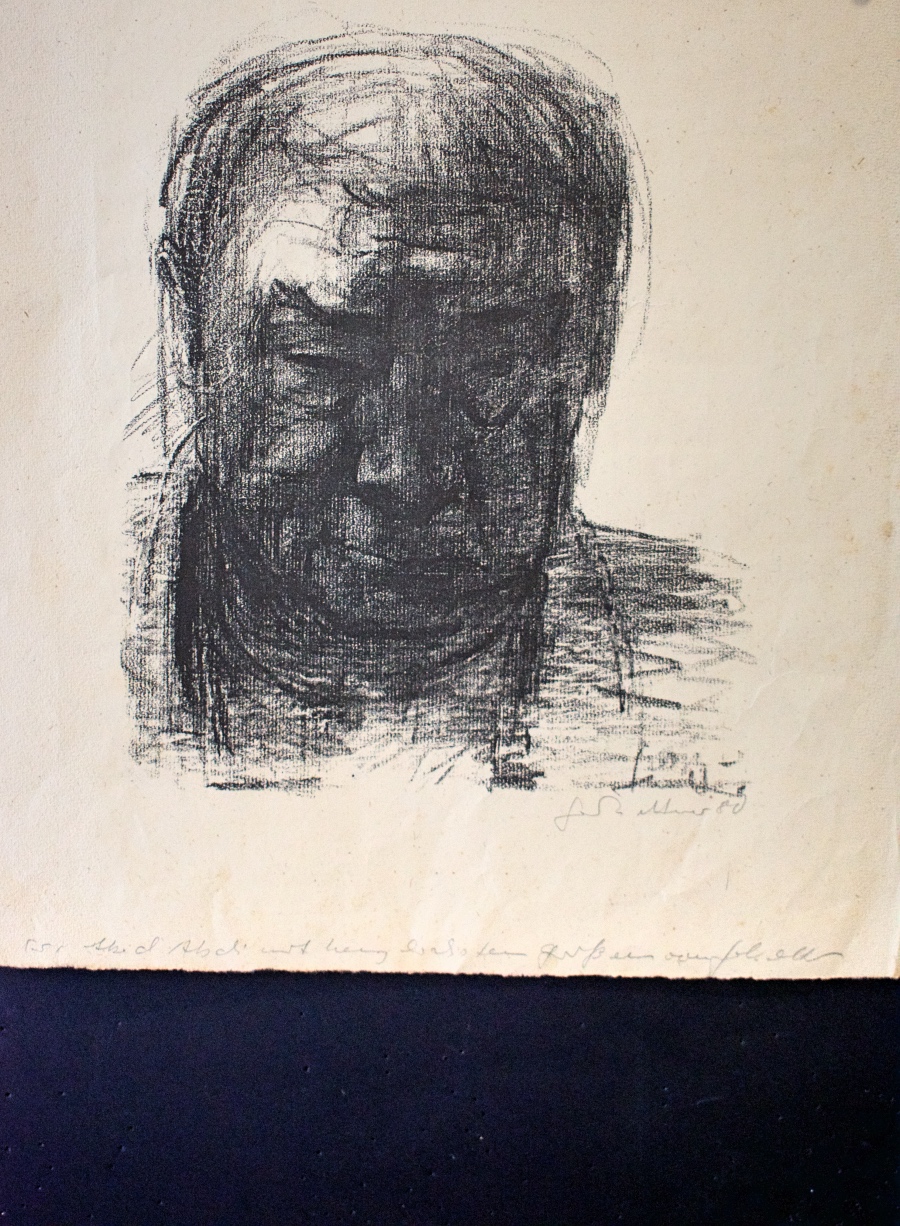
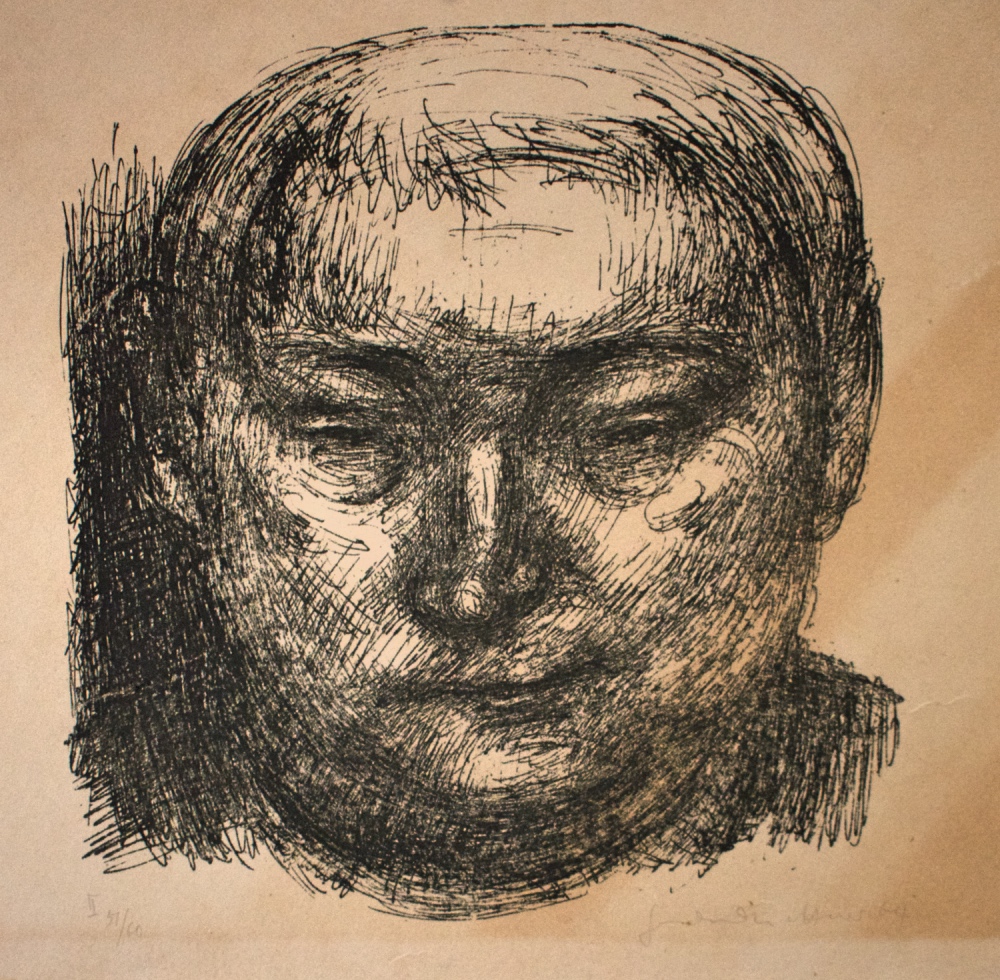
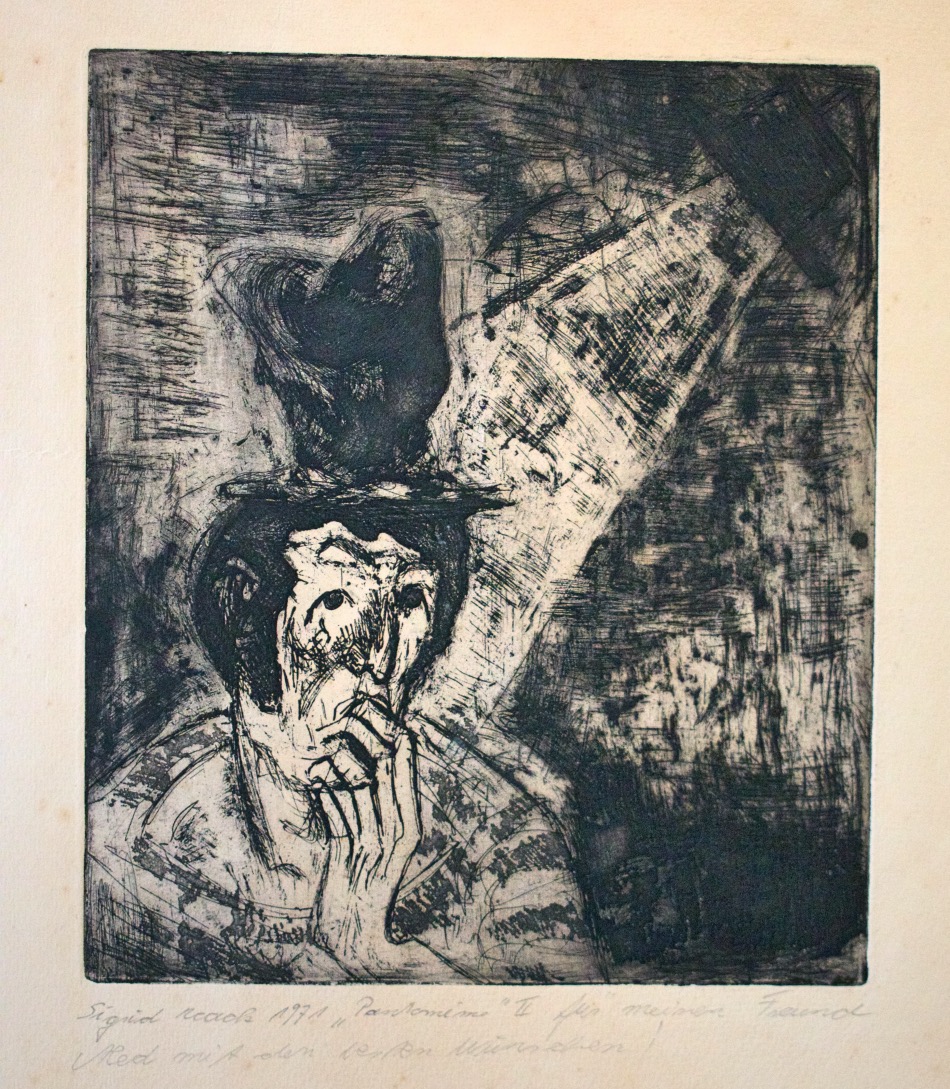
"I wanted to present people in such a way that you would receive and recognise their misery and suffering, and instantly feel your own rage because of it."[9]

Lea Grundig
in her autobiography (1958)

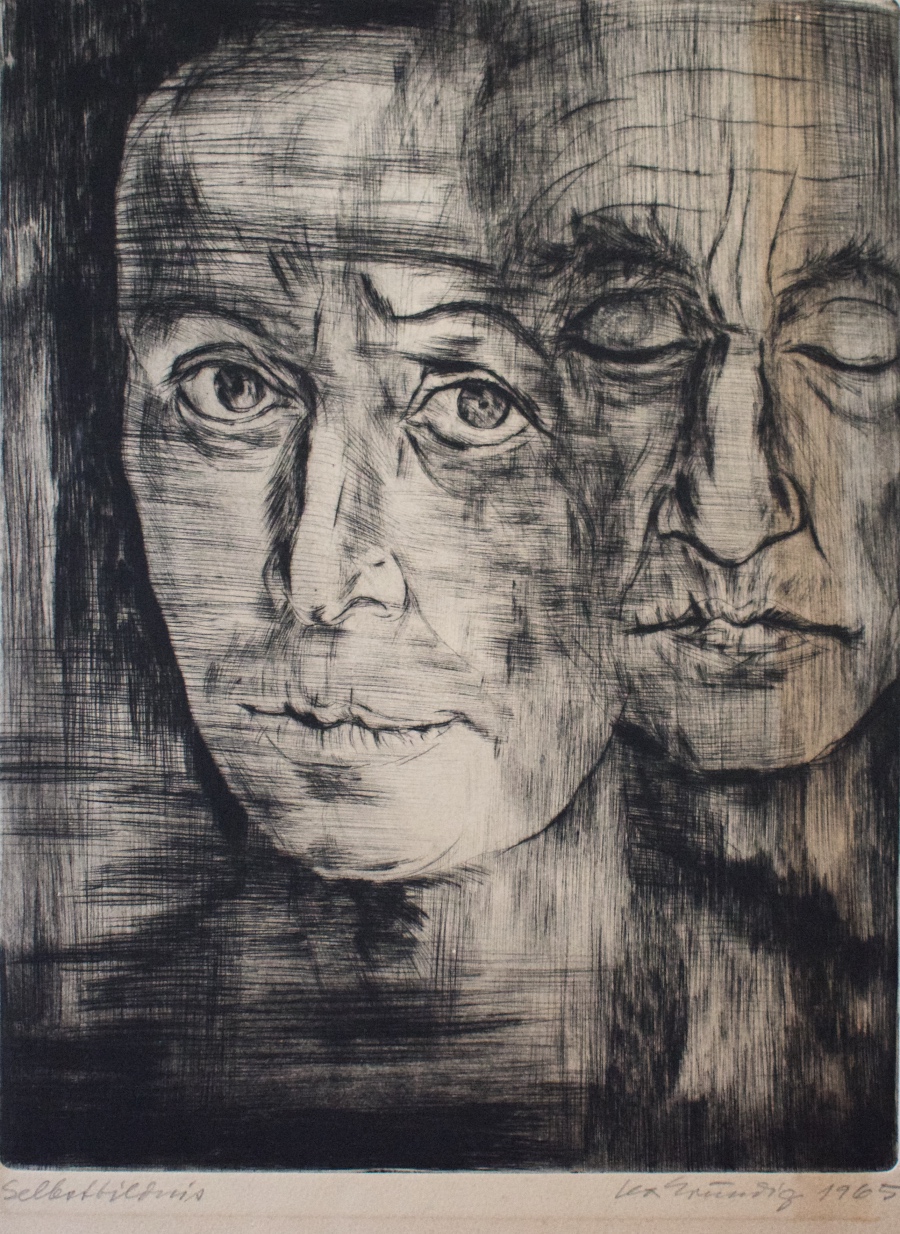
Lea Grundig’s profound contributions to art extend to her poignant illustrations depicting the Holocaust, offering a stark and emotional portrayal of one of the darkest chapters in human history. As a German painter and graphic artist, Grundig’s commitment to social justice and her unwavering stance against oppression found expression in her powerful artworks. Grundig’s illustrations capturing the Holocaust are marked by a raw and unflinching honesty, providing viewers with a visceral connection to the unimaginable suffering and atrocities of that time. Through her masterful use of line, form, and shading, she skillfully conveyed the human anguish and despair experienced by those affected by the Holocaust.
In her work, Grundig did not shy away from portraying the harrowing scenes and the dehumanizing conditions faced by victims. Her illustrations serve as a visual testimony to the resilience of the human spirit in the face of unimaginable adversity. The emotional depth in Grundig’s Holocaust-themed art reflects her commitment to bearing witness to historical truths and ensuring that the collective memory of these atrocities endures.
Lea Grundig’s illustrations go beyond mere artistic representation; they stand as a form of historical documentation, capturing the pain, suffering, and resilience of those who endured the Holocaust. Her work contributes to the broader discourse on remembrance and serves as a reminder of the importance of acknowledging and learning from the darkest moments of our shared history. Through her art, Grundig invites viewers to confront the past and contemplate the profound impact of human actions, emphasizing the role of art as a medium for reflection, empathy, and remembrance.

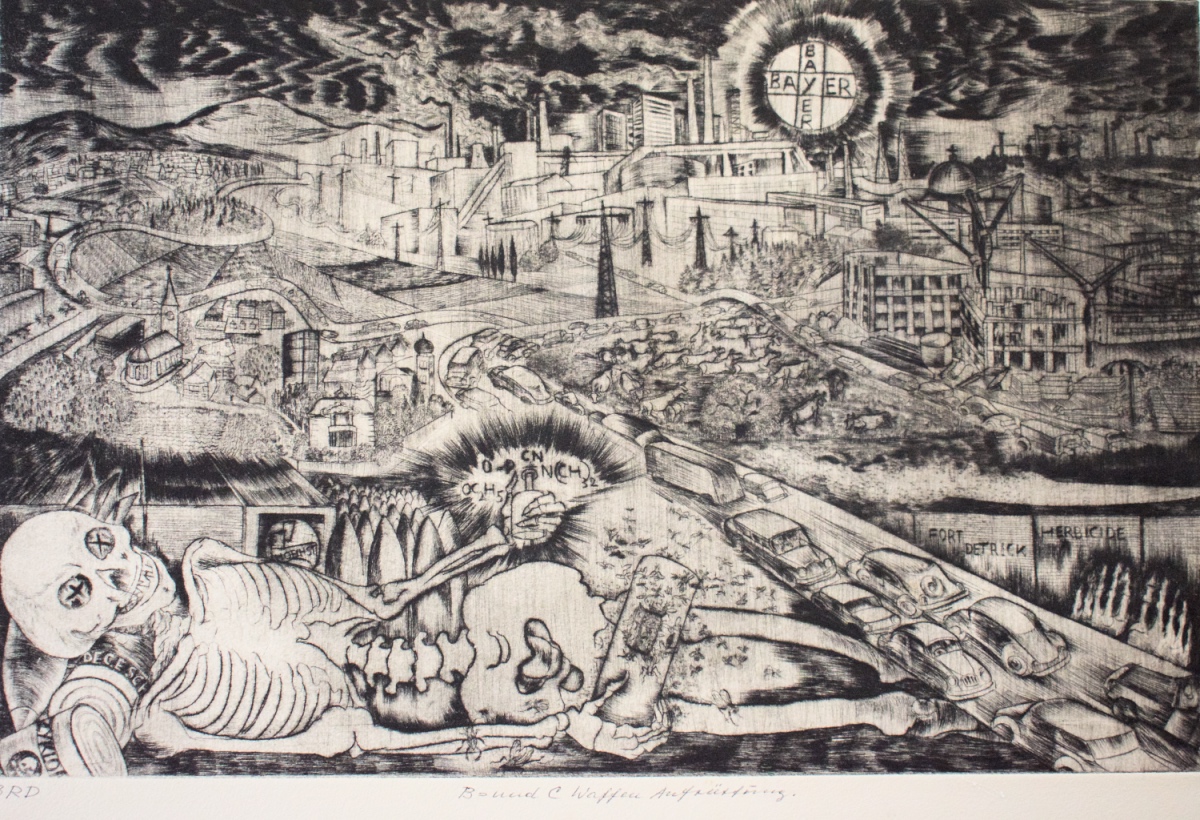
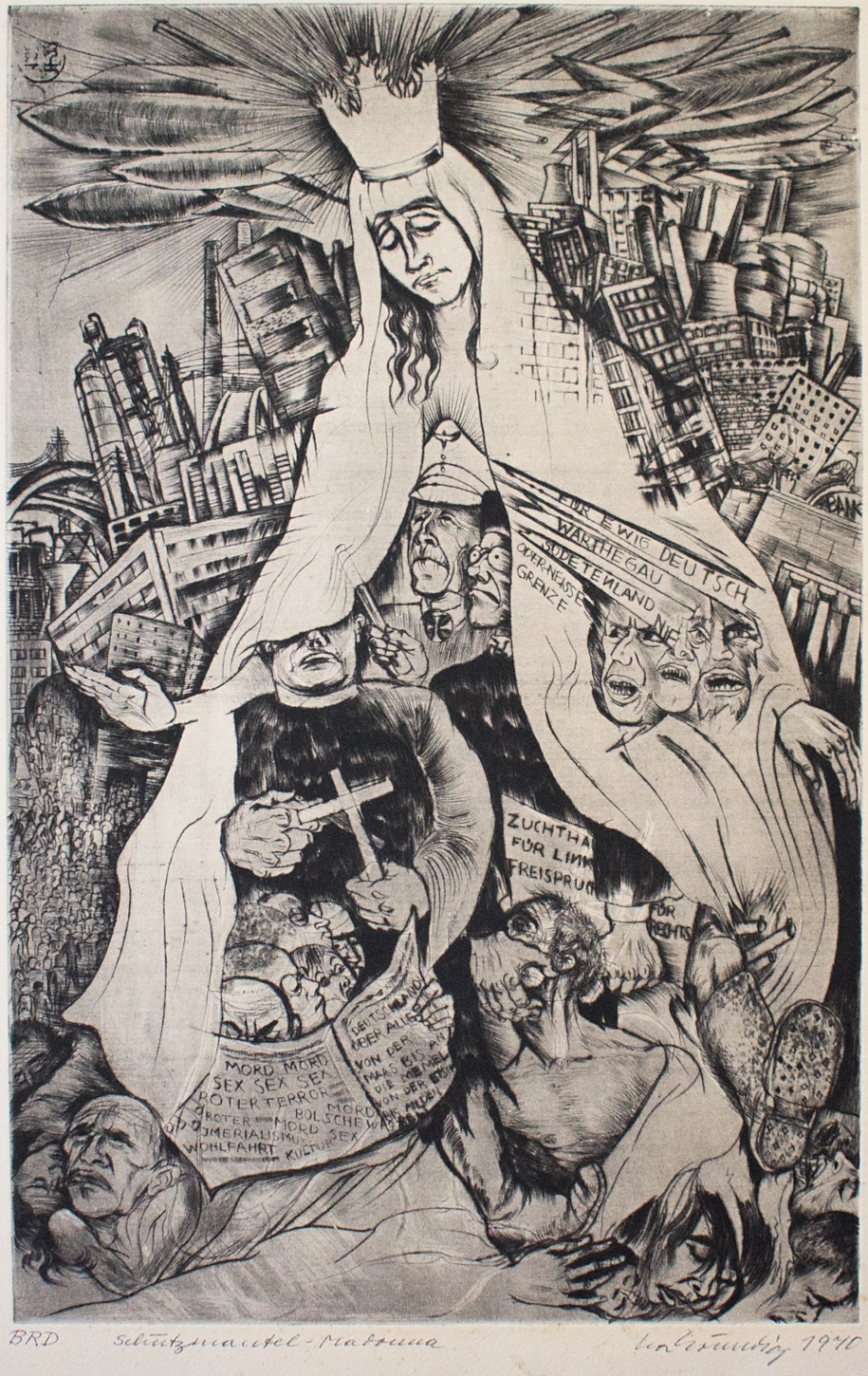
The inclusion of the inscription “BRD” in two of Lea Grundig’s artworks within the exhibition signifies her deliberate stance regarding the political and economic system of the divided homeland. This act of incorporating “BRD” into her art serves as a powerful expression of Grundig’s engagement with the sociopolitical context of her time. The term “BRD” specifically refers to the Bundesrepublik Deutschland or the Federal Republic of Germany, highlighting the political division between East and West Germany during the Cold War era.
Through this inscription, Grundig not only showcases her technical prowess as an artist but also engages in a form of visual commentary on the ideological and economic disparities between the two German states. It becomes a nuanced statement reflecting the artist’s perspective on the division of her homeland and the contrasting systems that emerged as a result.
The use of “BRD” as an element in her artwork underscores the capacity of art to transcend mere aesthetics, serving as a medium for social and political commentary. Lea Grundig’s intentional inclusion of this symbol prompts viewers to consider the complexities of the divided Germany and the artist’s position within that historical and ideological landscape. Her art, with its layered meanings and subtle nuances, becomes a valuable lens through which to explore the intricate interplay of art, politics, and identity during a crucial period in German history.
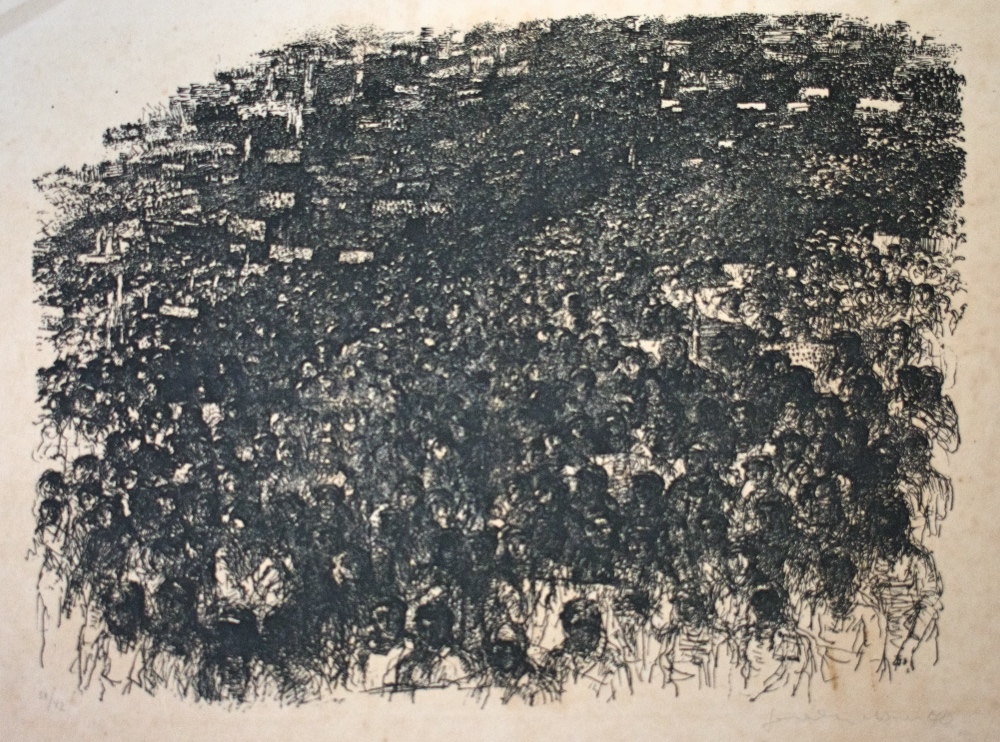
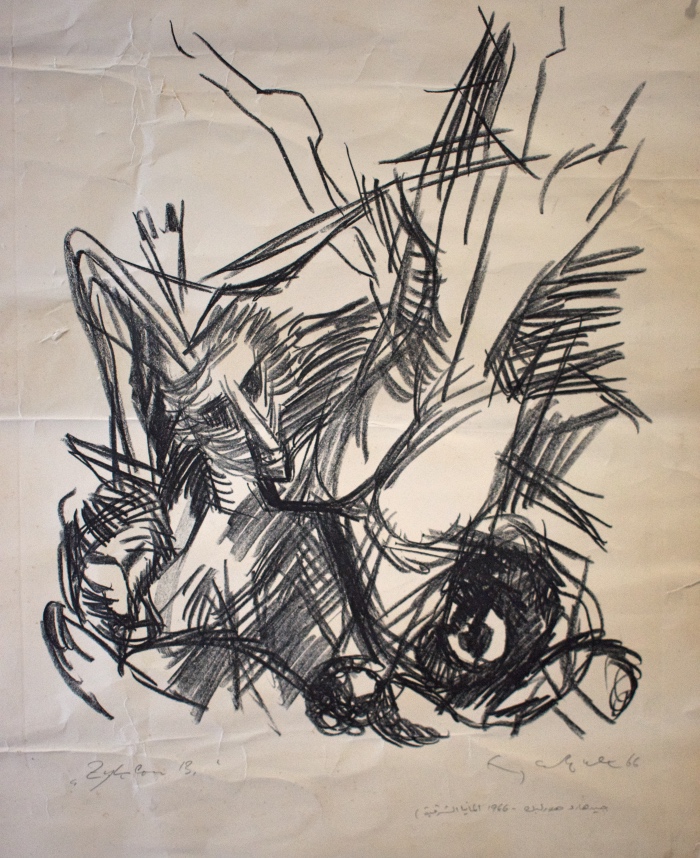
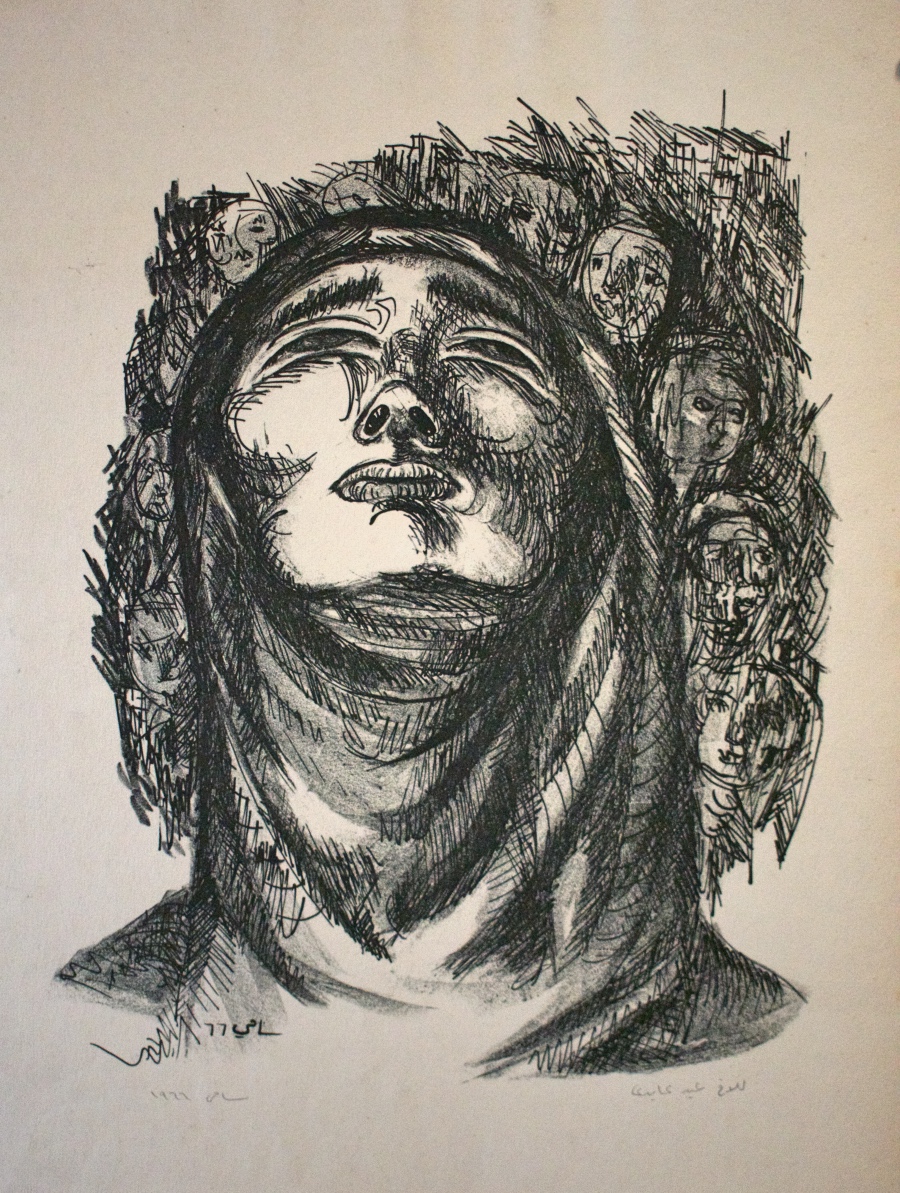
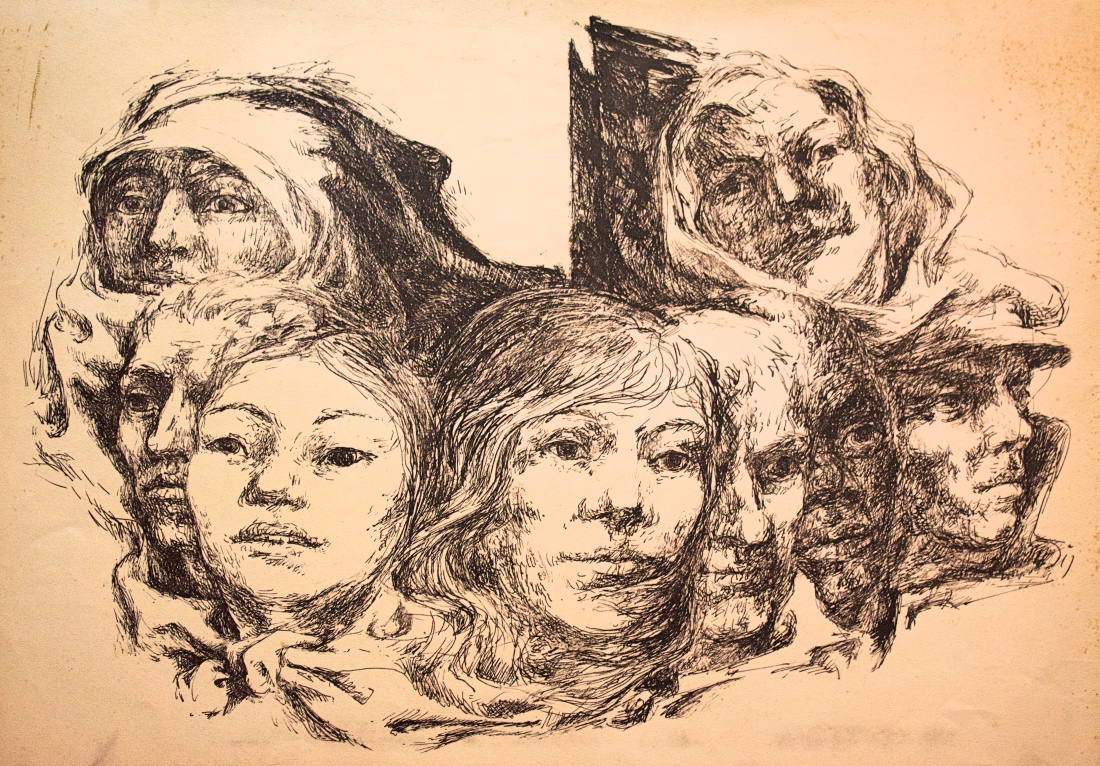
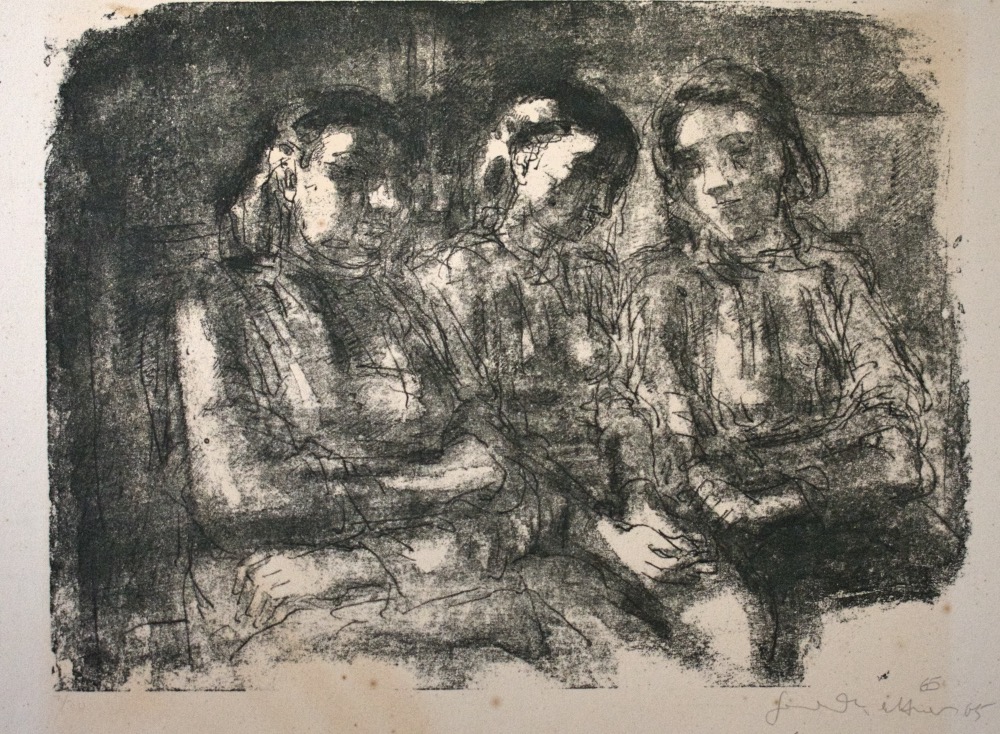
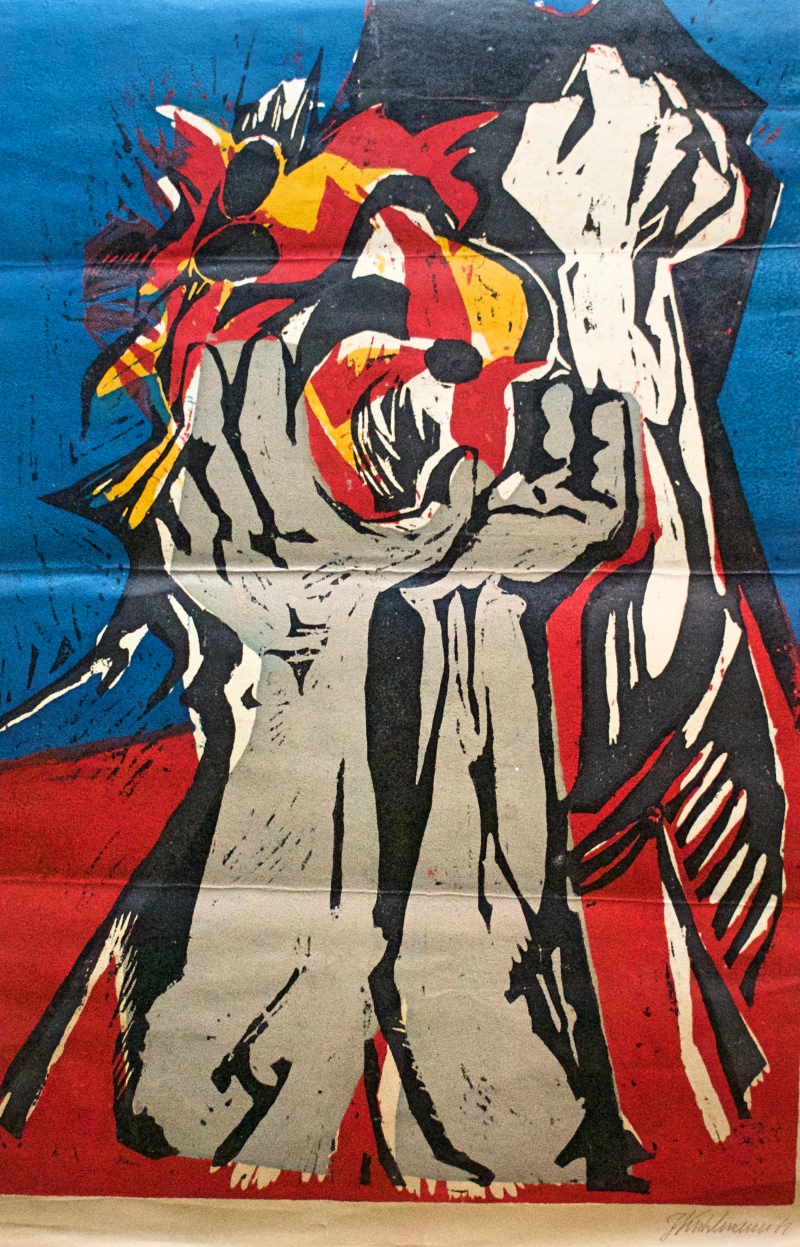
The artwork by Lea Grundig portrays the misery and suffering of people under the leadership of blinded clergy and generals. Grundig’s depiction likely conveys a sense of oppression, highlighting the struggles faced by the general populace under the leadership of authoritative and, in her portrayal, misguided figures. The image becomes a visual narrative that prompts reflection on the consequences of such leadership on the human experience, emphasizing the artist’s commitment to addressing societal issues through her work.


"I don't think anyone can break free from his chain of tradition, from his environment, from his form - all this will concern him."
-
Gerhard Kettner
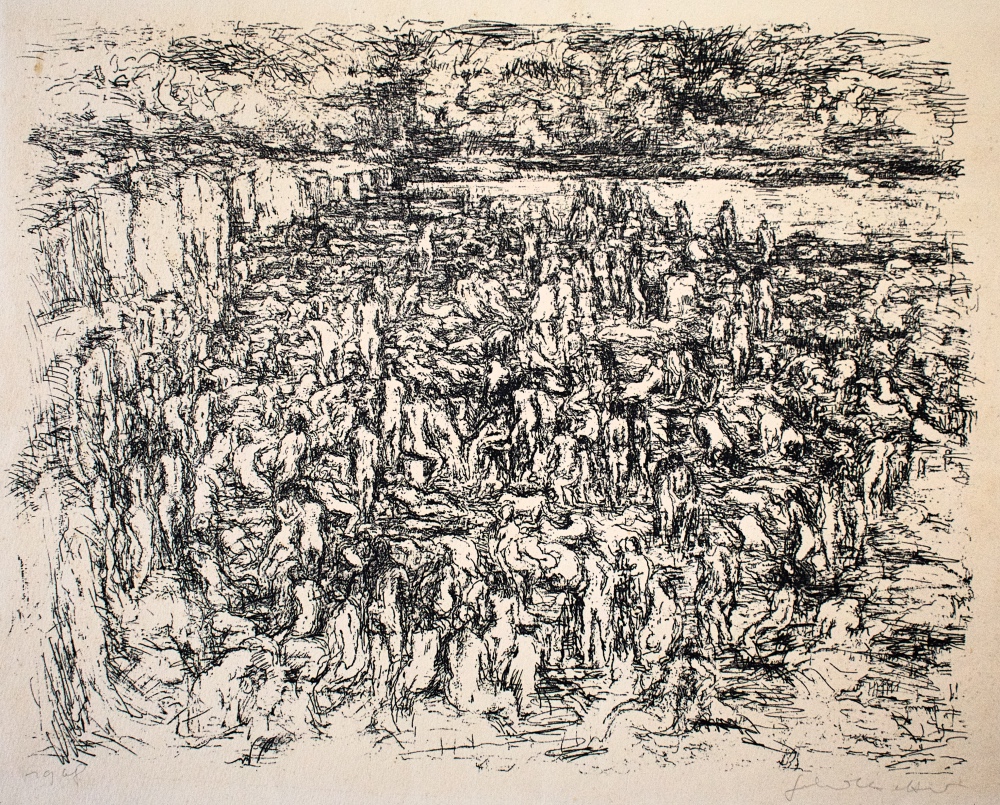
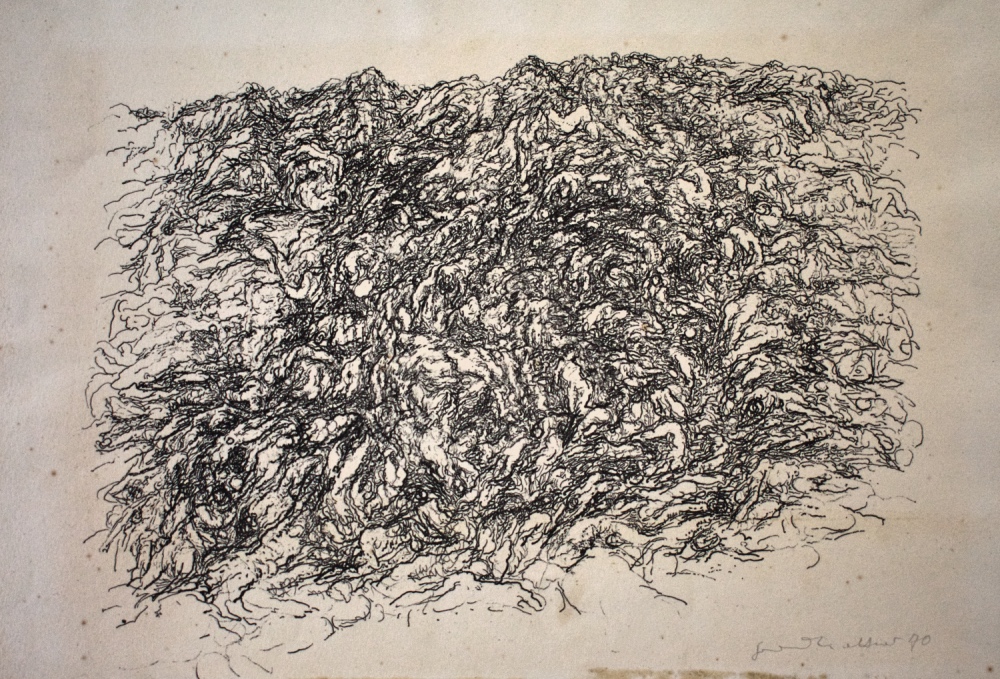
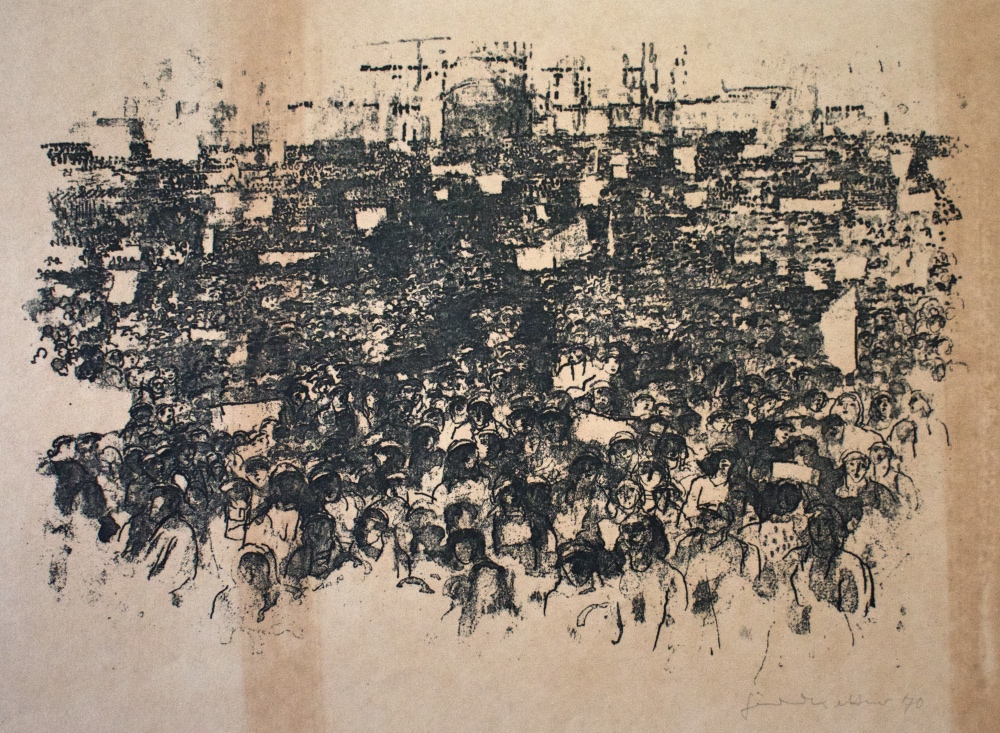
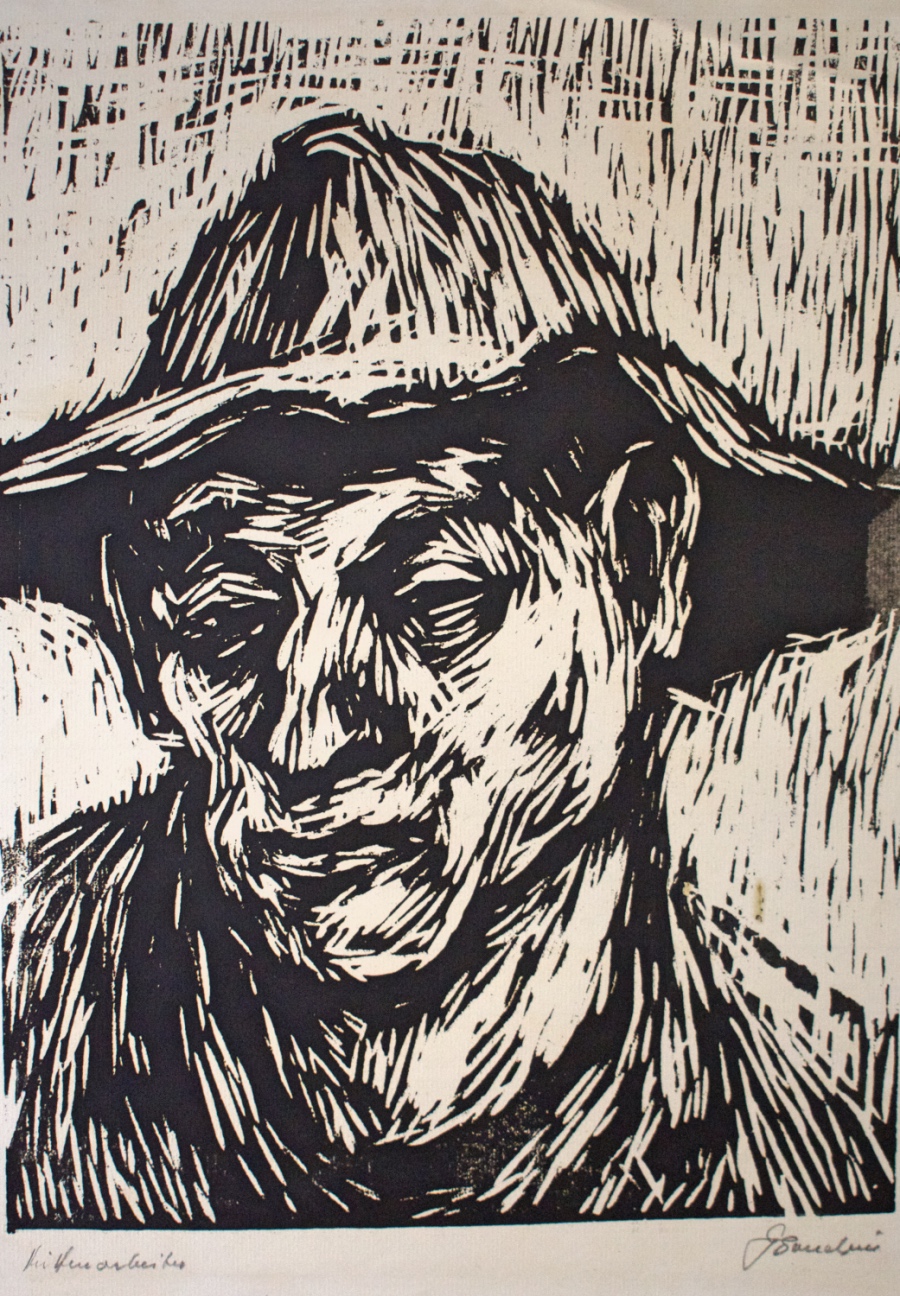
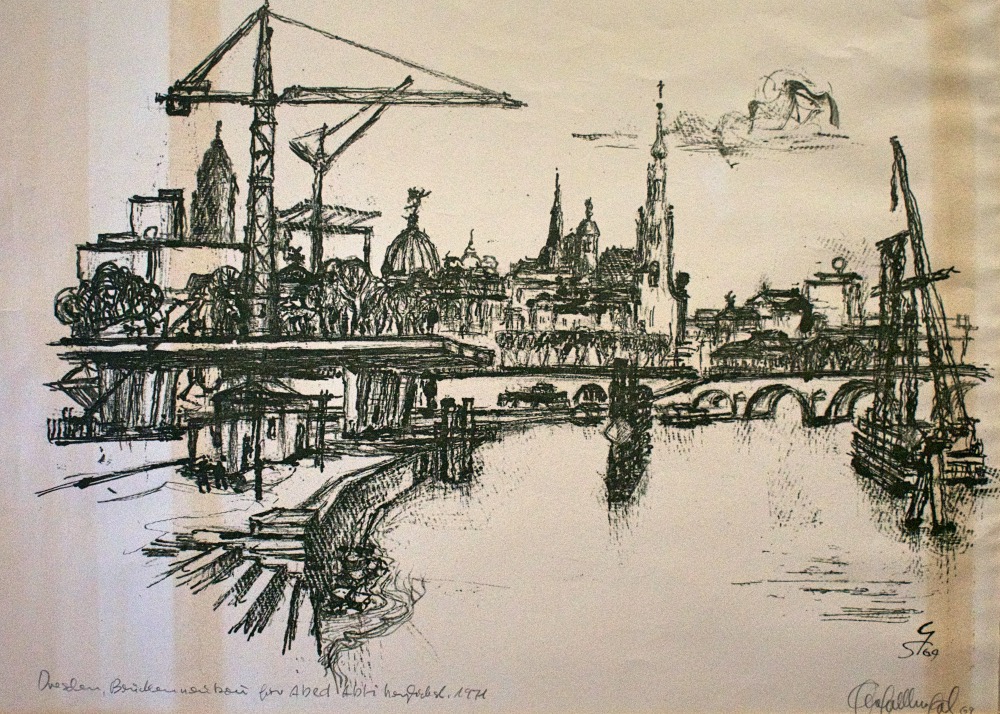
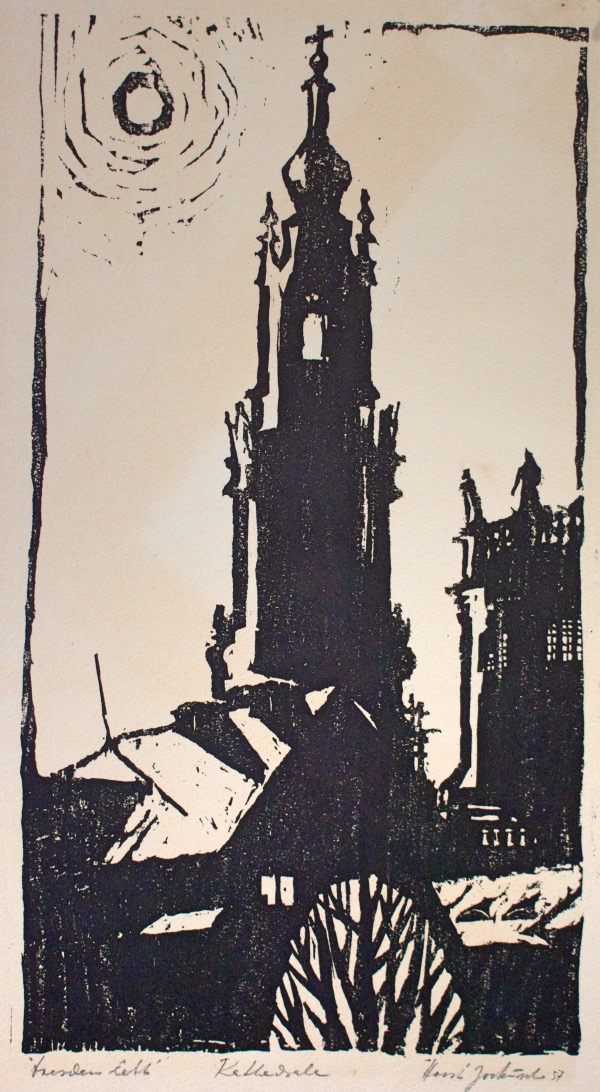
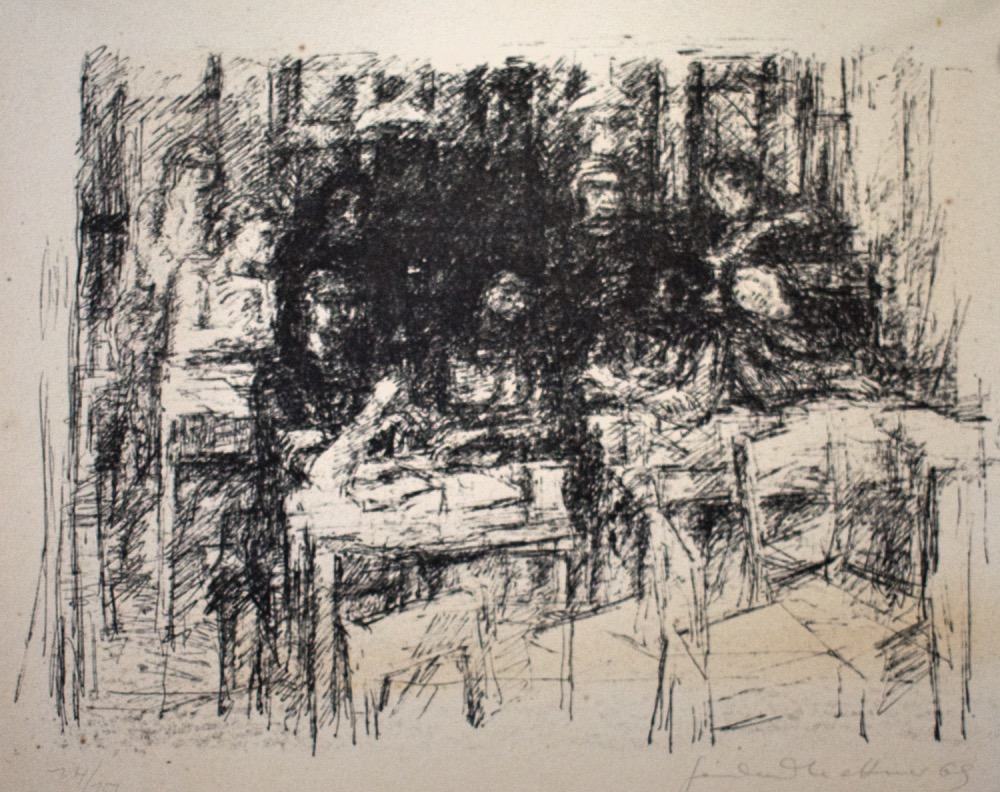
Another featured artist is Gerhard Kettner, a German lithographer and graphic artist, who, along with other luminaries like Gerhard Bondzin and Günter Horlbeck, played influential roles in the artistic landscape of East Germany. Their contributions, captured in this exhibition, reflect the complexities of artistic expression in a socio-political context. Gerhard Kettner,(1928 -1993 ) was a professor and rector of the Dresden Academy of Fine Arts. Gerhard Bondzin (1930 – 2014) Served as professor at the Dresden Academy of Fine Arts. Günter Horlbeck ( 1927- 2016) was appointed professor of graphics and in 1967 professor and head of the painting and graphics specialist class at the Dresden Academy of Fine Arts.
Through the lens of these artists, the exhibition offers a nuanced exploration of the artistic struggles, triumphs, and expressions that defined East German art in the 20th century.

Central Image Franke 30.4.70 Berlin: VI. Congress of the Board of Visual Artists of the GDR elected a new Central Board. The delegates of the congress elected the new Central Board and the Presidium of the association on April 30, 1970, concluding the three-day deliberation. The new president chosen was the Dresden painter Prof. Gerhard Bondzin (on the right). Prof. Lea Grundig, after many years of successful service in this position, was bid farewell and elected Honorary President (on the left).).
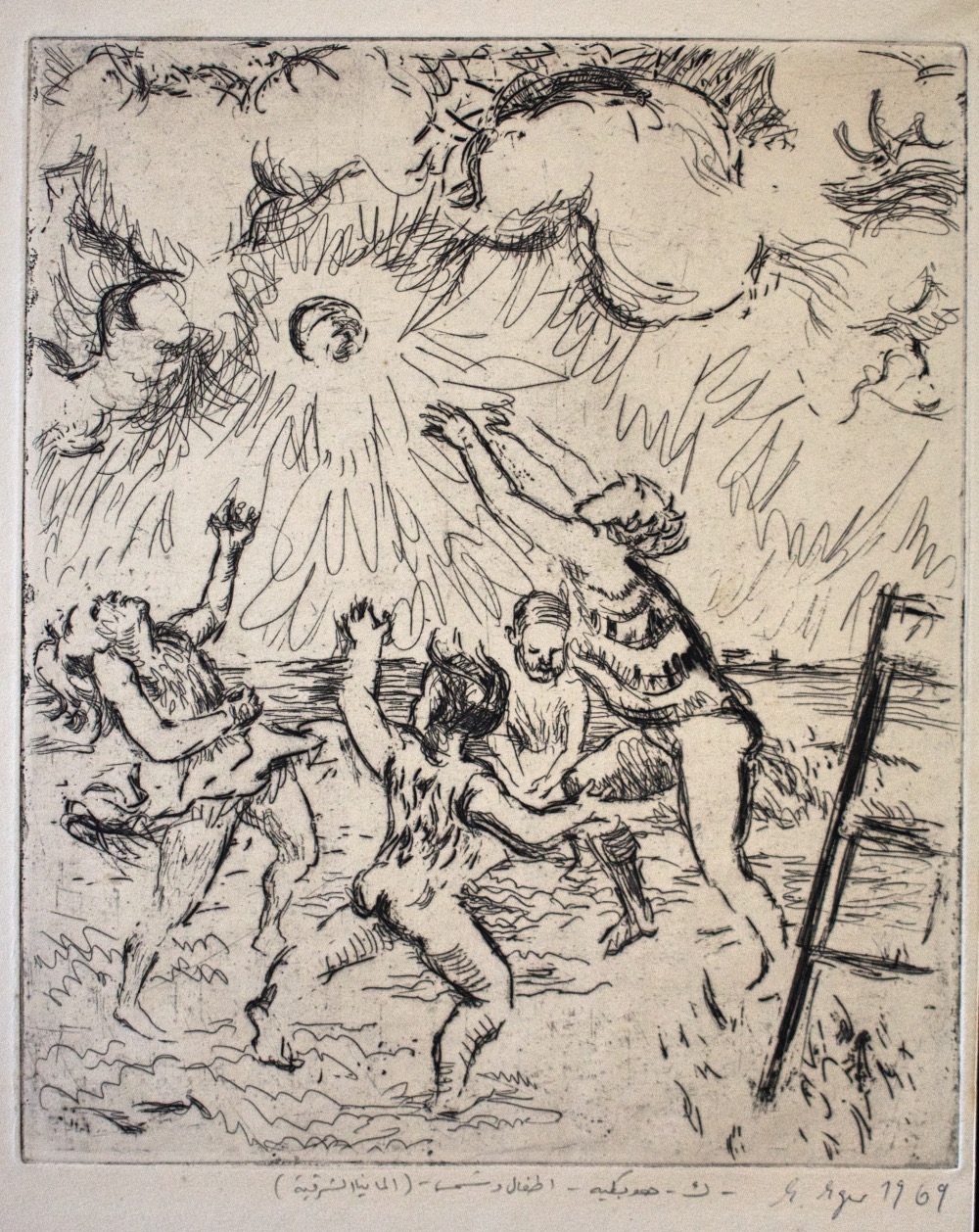
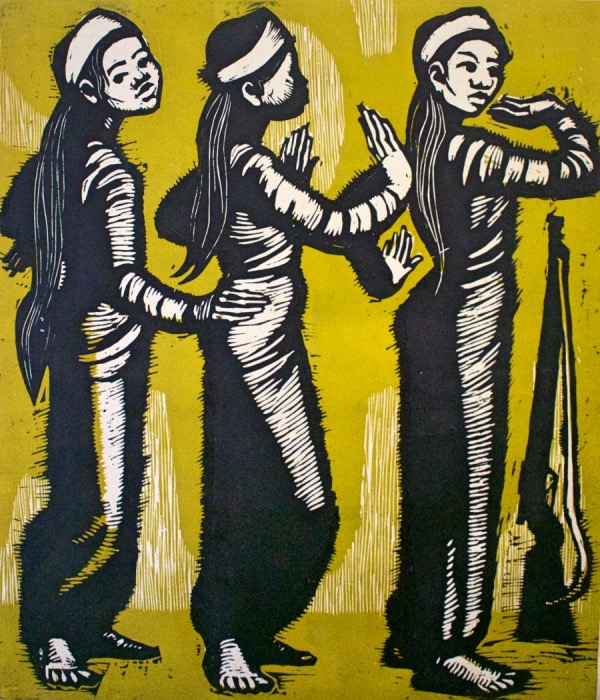
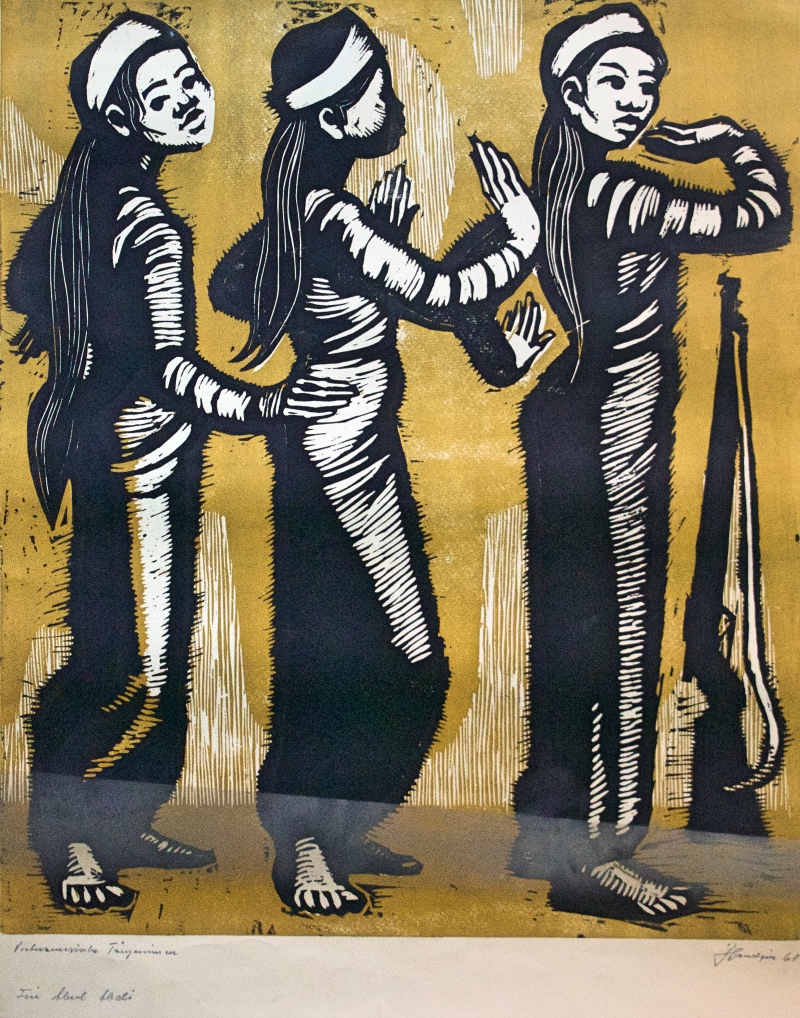
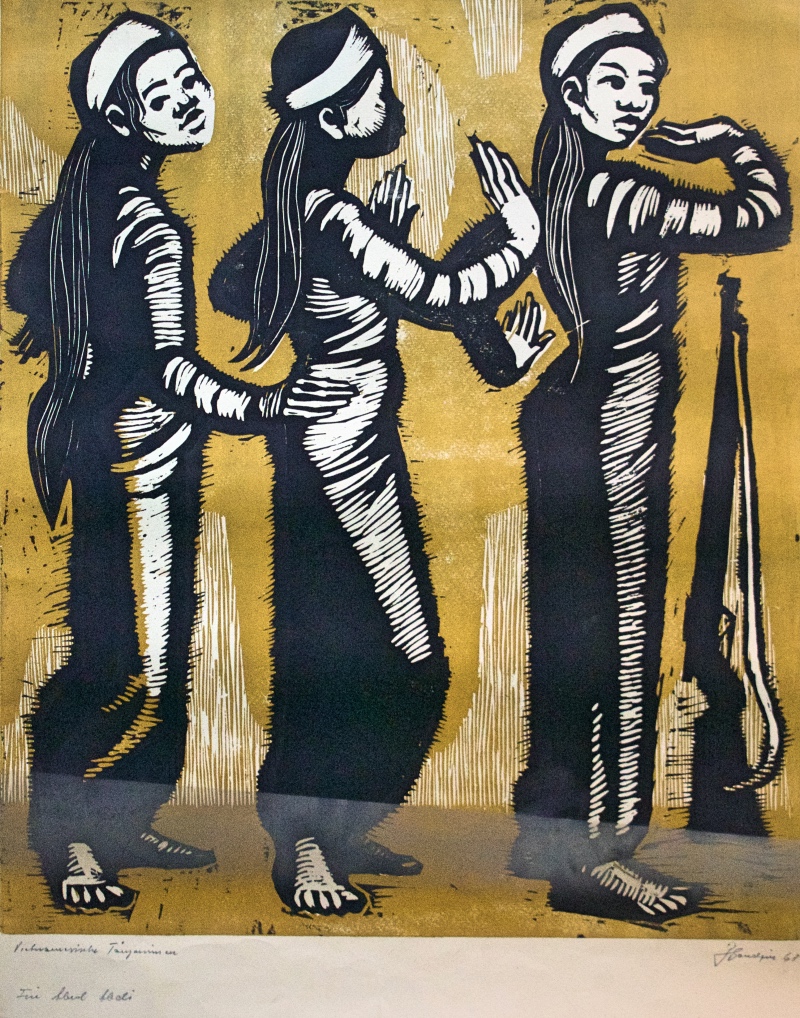
Noteworthy in the exhibition are the works by Gerhard Bondzin, particularly those created during a visit to Vietnam. One of these pieces depicts Vietnamese women dancing beside a machine gun, offering a poignant commentary on the juxtaposition of beauty and conflict. This powerful imagery serves as a symbolic reflection on the complex socio-political landscape of Vietnam during that period, capturing the tension and resilience of its people.

Bondzin’s artistic exploration of Vietnam adds another layer to the narrative of the exhibition, highlighting the intersection of art and global events. His work becomes a testament to the role artists played in interpreting and responding to the pressing issues of their time. As we delve into Bondzin’s creations, we witness not only the technical mastery of a skilled artist but also the depth of his engagement with the world around him.
The exhibition thus becomes a multi-faceted journey, not only through East German art but also through the interconnectedness of artistic expression and the historical events that shaped it. It prompts reflection on the universal language of art, capable of transcending borders and speaking to the shared human experience.
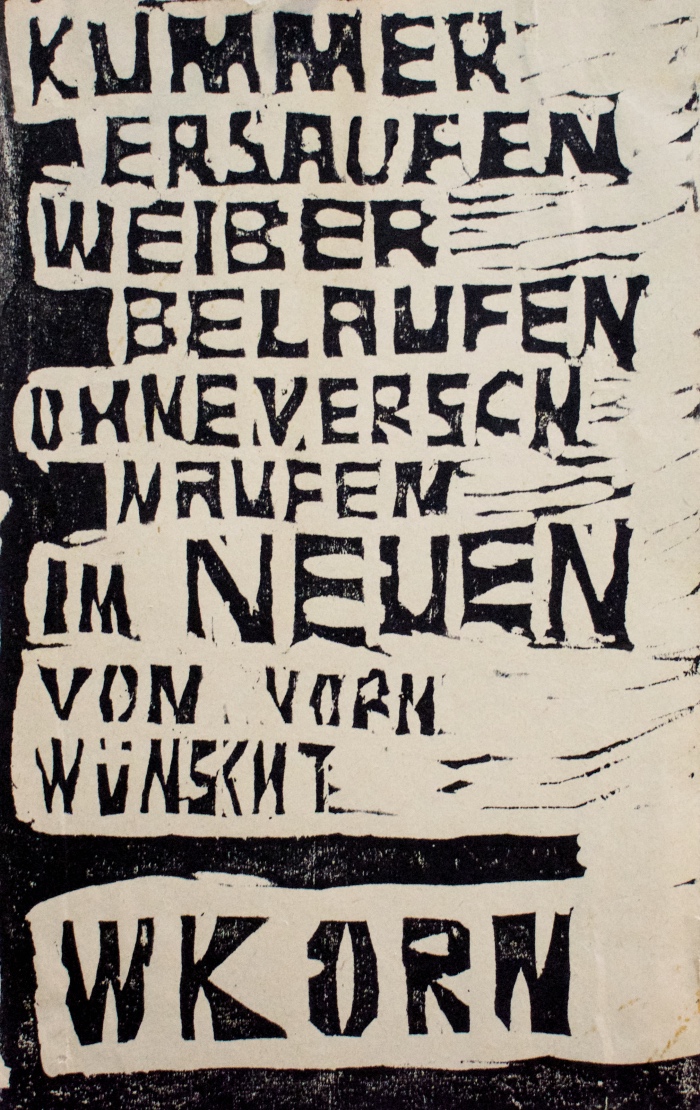
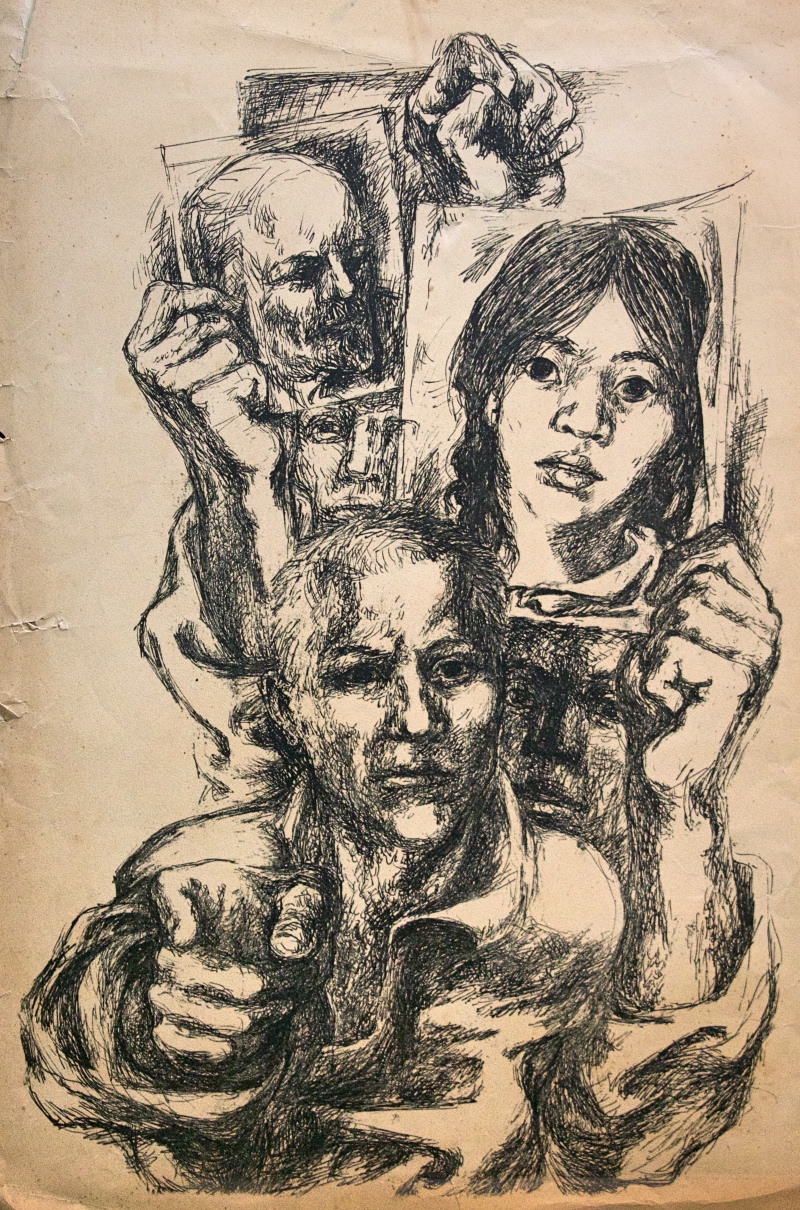
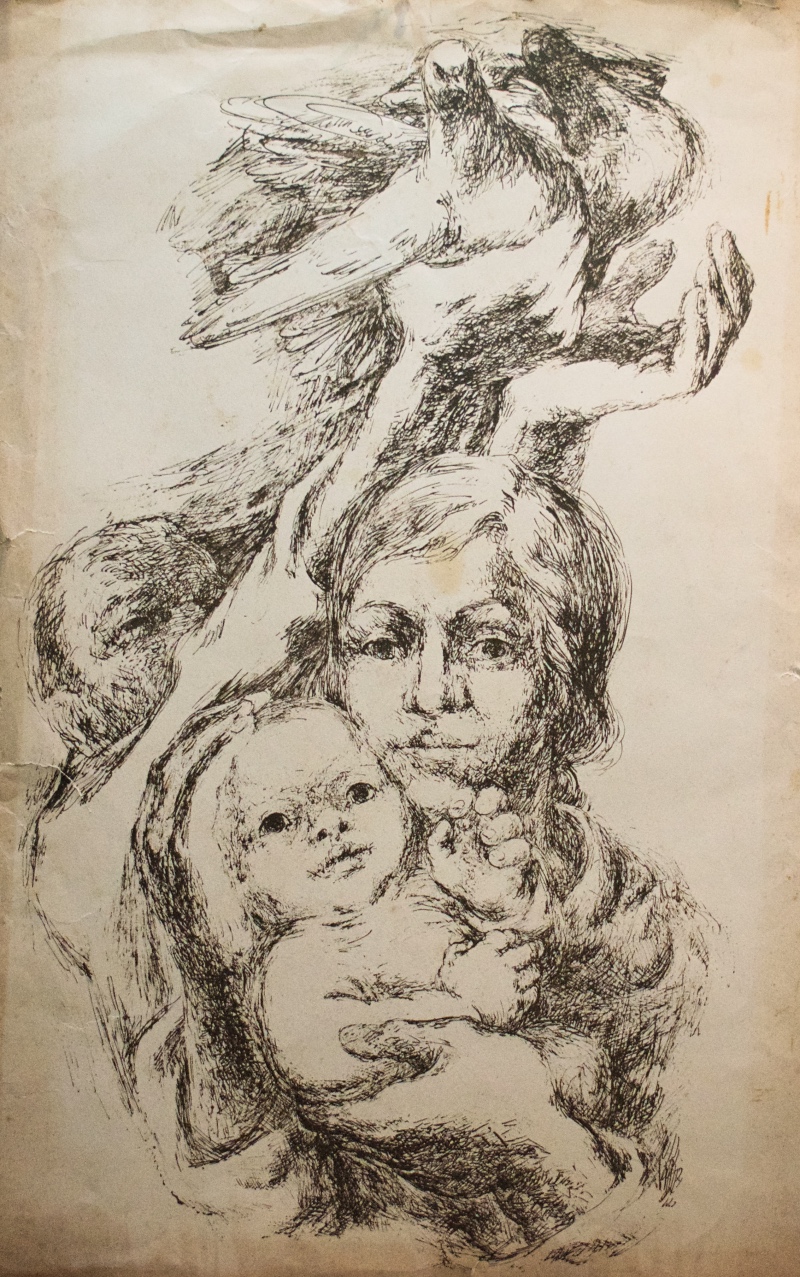
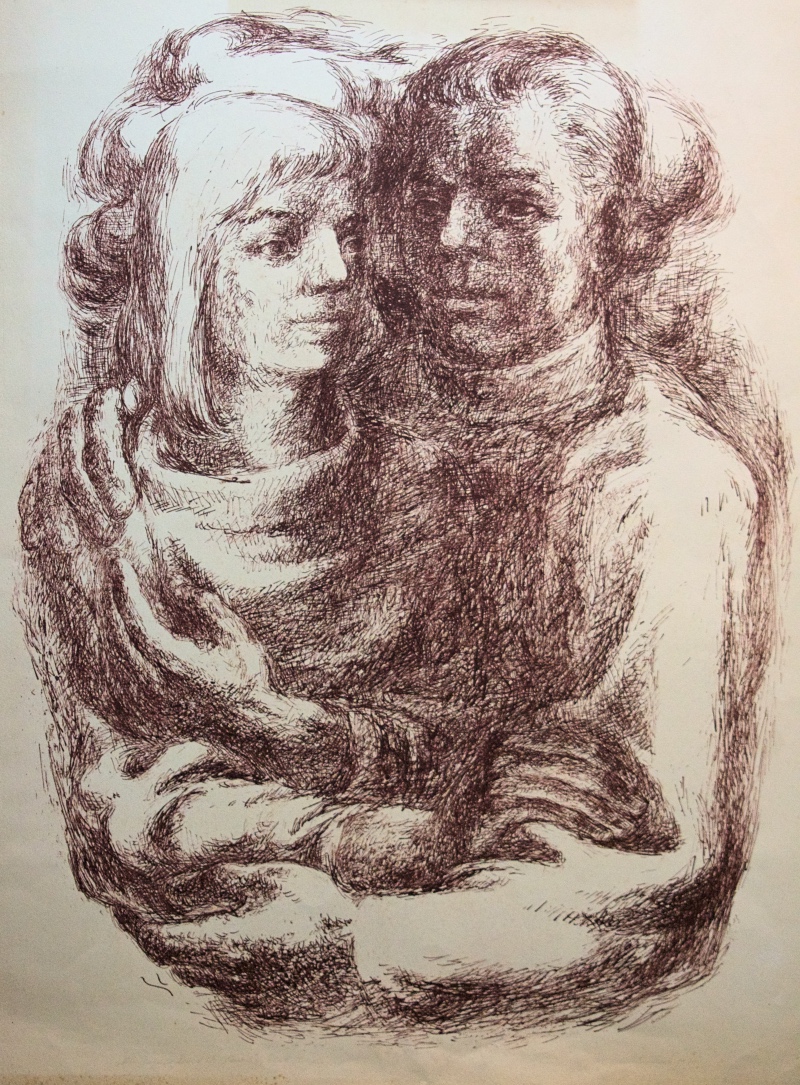
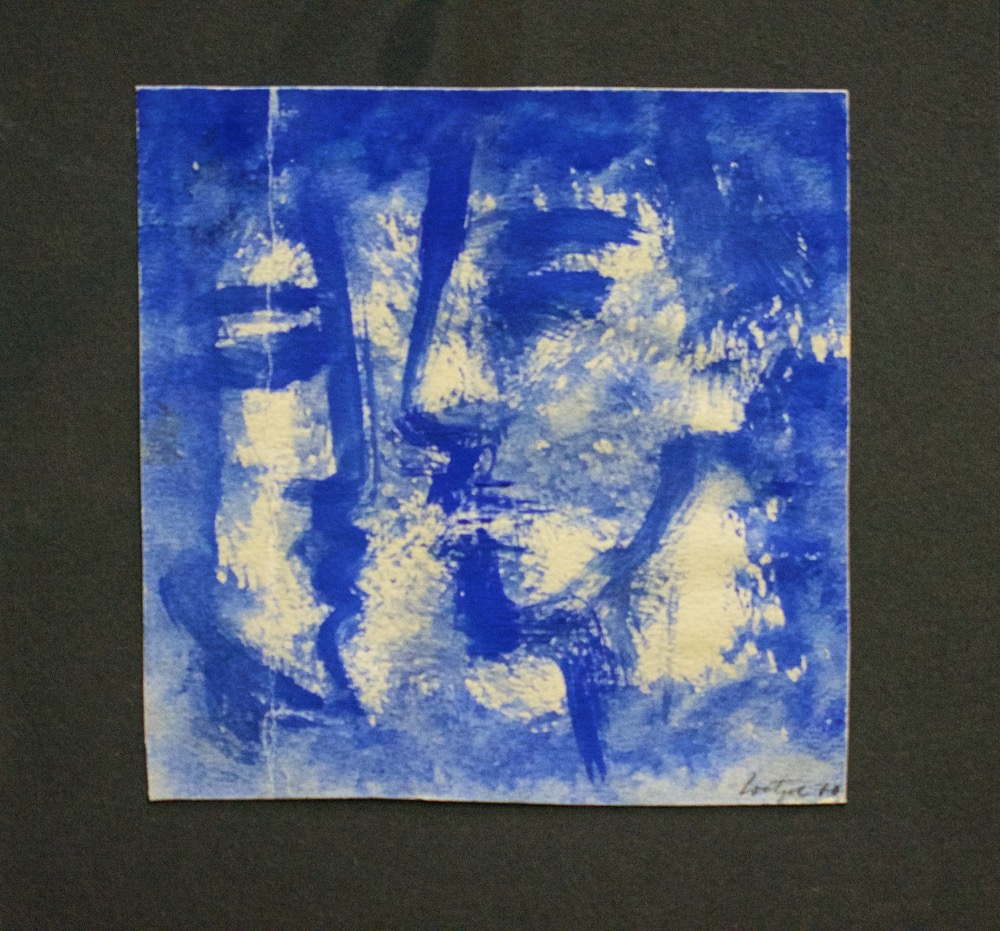
Additionally, the exhibition features artworks by an unknown artist that portray intermingling portraits of individuals of different colors and races. These pieces serve as a poignant reminder, emphasizing the universal concept that all humans are interconnected as brothers and sisters. Through the blending of diverse faces and backgrounds, the unknown artist communicates a powerful message of unity, diversity, and the shared humanity that transcends cultural and racial boundaries.